
How Consistent Blogging Attracts More Diners to Your Restaurant
Learn how consistent blogging with fresh content and smart SEO can significantly boost your restaurant's online visibility, attract more local diners, and build a loyal customer base.

The way people choose where to eat has changed. Gone are the days of relying solely on word-of-mouth or a glance at a menu posted in the window. A study by SevenRooms revealed that 71% of U.S. diners visit a restaurant’s website before deciding to dine there. This shift means your online presence, particularly your blog, is essential to attract diners online and fill your tables.
The Digital Appetizer: Why Your Restaurant Needs a Blog
Think about how you search for a new dining experience. You likely turn to your phone or computer, looking for more than just an address. Modern diners crave information; they want to see photos, understand the atmosphere, and feel a connection before they even step foot inside. A restaurant blog serves as that initial taste, helping you increase restaurant visibility precisely when potential customers are searching.
Consistent, high-quality content does more than just appear in search results. It builds trust and positions your restaurant as a passionate authority in your culinary niche. Imagine a potential guest reading about your chef's dedication to sourcing local ingredients or your sommelier's thoughtful wine pairings. These stories transform your establishment from a mere option into a destination. This is one of the core restaurant blogging benefits.
Your blog is the perfect place to share your restaurant's unique narrative. What's your origin story? What is the philosophy behind your menu? How are you involved in the local community? Sharing these aspects creates an emotional connection that a static menu cannot. It allows diners to buy into your brand, not just your food.
Furthermore, search engines like Google favor websites that regularly publish fresh, relevant content. A blog is an excellent vehicle for this, signaling to search algorithms that your site is active and valuable. This consistent activity naturally boosts your chances of being found by hungry patrons looking for exactly what you offer.
Setting the Table: Foundational Blogging Strategies for Restaurants
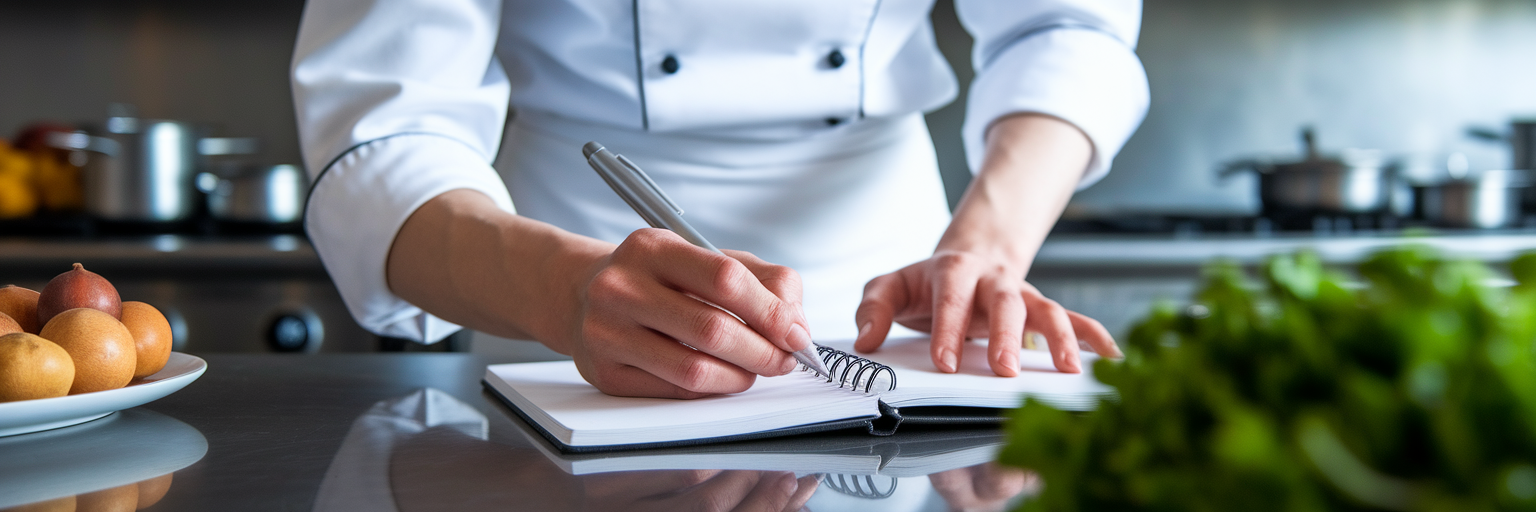
Understanding why a blog is important is the first step. Now, let's consider how to lay the groundwork for a successful restaurant blog. It begins with defining your voice. Does your restaurant have a casual, family-friendly vibe, or is it more of an upscale, fine-dining experience? Your blog's tone should mirror this ambiance, speaking directly to your ideal customer, whether they are foodies seeking culinary adventures or busy professionals looking for a reliable lunch spot.
When you hear "consistent blogging," you might picture an overwhelming daily task. However, for consistent blogging for restaurants, quality and regularity trump sheer frequency. Aiming for two to three insightful posts a week can be far more effective than rushed, daily updates. The key is to establish a rhythm your audience can expect and that you can realistically maintain.
Simple content planning can make this manageable. Here’s a straightforward approach:
- Create a basic content calendar: A simple spreadsheet can map out topics for the upcoming weeks or months.
- Brainstorm topics in batches: Dedicate time to generate a list of ideas. Look for topic idea generators, like BlogBuster's Topic Ideas page, or industry-specific resources to fill your calendar.
- Schedule your posts: Use your website's content management system to write and schedule posts in advance.
This planned approach ensures a steady flow of content. Remember, your blog posts are valuable assets for your broader restaurant content marketing. Snippets can become social media updates, articles can be featured in email newsletters, and behind-the-scenes stories can even be highlighted on printed materials in your restaurant.
What's on the Menu? Engaging Blog Post Ideas for Diners
Coming up with fresh content can feel like staring at a blank menu, but your restaurant is brimming with stories waiting to be told. The goal is to create posts that not only inform but also entice. Think about what makes your regulars return and what piques the interest of first-time visitors. Is it the unique way your chef prepares a signature dish, or the vibrant community events you host?
Here are some engaging blog post ideas that resonate well with diners:
- Behind-the-scenes glimpses: Offer virtual kitchen tours, introduce your talented team (from the head chef to the friendly server who knows everyone's name), or share the journey of how you source your key ingredients. People love to see the passion behind their plate.
- Simplified recipes and cooking tips: Share an easy-to-make version of a popular dish, or offer general cooking advice related to your cuisine. This positions you as an expert and gives readers a taste of your style.
- Local event highlights and community involvement: Write about upcoming local festivals, your participation in charity events, or partnerships with local farms and suppliers. This shows you're an active part of the neighborhood.
- Spotlights on new menu items or seasonal specials: Go beyond a simple announcement. Describe the flavors, the inspiration, and why customers will love your latest creations. Make their mouths water.
- Answering common customer questions: Address FAQs about dietary accommodations, parking availability, making reservations for large groups, or details about hosting private events. This saves your staff time and helps potential guests plan.
To help you choose topics strategically, consider how different types of content align with your restaurant's goals:
| Blog Post Category | Example Topics | Primary Goal for Your Restaurant | Target Keyword Focus |
|---|---|---|---|
| Behind-the-Scenes | Meet the Chef, Ingredient Sourcing Story | Build Trust & Authenticity | '[Restaurant Name] chef', 'local ingredients [City]' |
| Recipes & Tips | Simplified Signature Dish Recipe, Seasonal Cooking Tip | Provide Value & Showcase Expertise | '[Cuisine Type] recipe', 'cooking tips [Your Specialty]' |
| Community Focus | Local Event Spotlight, Charity Partnership | Enhance Local Connection & SEO | 'restaurants near [Local Event]', '[City] community involvement' |
| Menu Spotlights | New Dish Announcement, Seasonal Menu Deep Dive | Drive Direct Interest & Trials | 'new menu [Restaurant Name]', 'seasonal specials [City]' |
| Customer Info | Answering FAQs (Parking, Dietary Options), Event Hosting Details | Improve Customer Experience & Reduce Queries | '[Restaurant Name] parking', 'vegan options [City]' |
This table helps restaurant owners select blog topics strategically by aligning content categories with specific business goals and potential keyword opportunities. Use it as a guide to diversify your content and maximize its impact.
Getting Found: Essential SEO Tactics for Your Restaurant Blog

Creating fantastic blog content is one thing; ensuring potential diners find it is another. This is where Search Engine Optimization (SEO) comes into play, particularly SEO for local restaurants. You want your blog to appear when someone nearby searches for "best brunch spot in downtown Springfield" or "Italian restaurants near the convention center."
Start by identifying and naturally integrating local keywords. These are phrases people actually type into search engines. Think about your neighborhood, nearby landmarks, specific dishes you're known for, and terms like "family-friendly restaurant [Your City]" or "patio dining [Your Neighborhood]." Weave these into your posts in a way that reads naturally, not forced.
Your blog post titles and meta descriptions are like the enticing aroma wafting from your kitchen; they need to be compelling enough to draw people in from search results. Make them clear, intriguing, and include your primary keyword. For example, instead of "Our New Pasta," try "Savor Our New Handmade Pappardelle: Downtown [City]'s Must-Try Dish."
A crucial step is to integrate your blog with your Google Business Profile (GBP). Create GBP posts or updates that highlight your latest blog articles, linking directly to them. This significantly boosts your local search visibility. According to recent analyses of local SEO trends for restaurants in 2024, factors like user engagement signals and comprehensive GBP listings are increasingly important. Your blog can support these by providing fresh content that keeps your GBP active and informative, helping to increase restaurant visibility. For more specialized insights, resources focusing on restaurant SEO blogging can offer deeper guidance.
Don't forget internal linking. Within your blog posts, link to other relevant pages on your website, such as your menu, reservation page, or contact information. This helps search engines understand your site structure and keeps visitors engaged longer. Finally, optimize your images. Use high-quality photos of your food and ambiance, and give them descriptive file names and alt text that include relevant keywords, like "margherita-pizza-[Restaurant Name]-[City].jpg."
Spreading the Word: Promoting Your Blog Content Effectively
Once your delicious blog content is cooked up and optimized, it's time to serve it to a wider audience. Effective promotion ensures your efforts reach beyond just organic search. Think of it as telling everyone about your daily specials, but on a digital scale. This active dissemination is a key part of your overall restaurant content marketing strategy.
Here’s how you can effectively promote your blog content:
- Leverage social media platforms: Share your latest posts across all your channels. Instagram is perfect for those mouth-watering food photos, perhaps linking to a recipe or a "meet the chef" post in your bio. Facebook is great for sharing community stories or event announcements that encourage local engagement. Always use engaging captions and relevant hashtags.
- Utilize email marketing: Include links to your recent blog articles in your regular newsletters to subscribers. This is a fantastic way to nurture loyalty, encourage repeat visits, and keep your restaurant top-of-mind for diners who already appreciate what you do.
- Encourage user-generated content: Some blog posts can inspire interaction. For instance, a post sharing a simplified recipe could challenge readers to make it at home and share photos using a specific hashtag. Featuring their creations (with permission) builds community and provides authentic social proof.
- Promote in-restaurant: Don't overlook your physical space. A small note on your menus, a tent card on tables, or a simple QR code can direct diners to your latest blog post, perhaps offering them "the story behind tonight's special."
By actively pushing your content through these channels, you amplify its reach, driving more traffic back to your website and, ultimately, more guests through your doors.
Tasting Success: Measuring Your Blog's Impact

How do you know if your blogging efforts are actually bringing more people to your tables? Measuring the impact of your blog is essential for understanding what resonates with your audience and refining your strategy. It’s about seeing the tangible restaurant blogging benefits in action.
Start with basic metrics available through tools like Google Analytics. Look at page views for your blog posts to see which topics are most popular. Pay attention to time on page; if visitors are spending several minutes reading an article, it suggests they find the content engaging. A high bounce rate on blog posts might indicate that the content isn't what they expected, or that the page isn't user-friendly.
Monitoring your search engine rankings for target keywords is another key indicator. Are you climbing the ranks for "best seafood restaurant [Your City]" after publishing relevant content? This shows your blog is helping to attract diners online through improved visibility.
Beyond these digital metrics, try to connect blog activity to real-world results. You might ask new customers how they heard about you. Sometimes, they’ll mention a specific blog post, like, "I read your article about your new seasonal menu and had to try it!" You can also track if phone inquiries or online reservations increase after publishing posts about specific offerings or events.
Finally, analyze social shares and comments on your blog posts when shared on social media. These are direct measures of engagement and show how far your content is reaching within the community. Consistently reviewing these indicators will help you understand what content truly whets your audience's appetite.
Keeping the Kitchen Hot: Maintaining Blogging Consistency
Running a restaurant is demanding, and finding time for blogging can seem like adding another complicated dish to an already packed menu. However, maintaining consistent blogging for restaurants is achievable with the right approach and tools, ensuring your online presence stays vibrant.
The key is to make it a manageable part of your routine, not an overwhelming burden. Here are a few tips:
- Acknowledge time constraints: Be realistic. Dedicate specific, short blocks of time each week for blogging tasks, or consider delegating aspects like drafting or image sourcing to a trusted team member.
- Embrace batching: As mentioned earlier, creating content in batches—outlining several posts at once, writing drafts in one session, preparing images—is far more efficient than starting from scratch each time.
- Leverage helpful tools: Various tools can assist with keyword research, grammar checks, scheduling posts, and even AI-powered content drafting to maintain quality with less manual effort. Platforms like BlogBuster, for example, can help automate aspects of content creation, making it easier to publish regularly.
- Stay inspired: Keep your ears open. Customer questions and feedback are goldmines for blog topics. Observe industry trends, see what competitors are discussing, and don't be afraid to revisit popular past topics with a fresh angle or updated information.
By integrating these practices, you can keep your blog active and engaging, continuously working to draw more diners to your restaurant without adding undue stress to your busy schedule.