
How to Build a Blog Content Calendar for Solo Founders Without SEO Expertise
Learn how to build a simple blog content calendar that drives growth for your business. This step-by-step guide is for solo founders who want to plan and create effective articles without any technical knowledge.
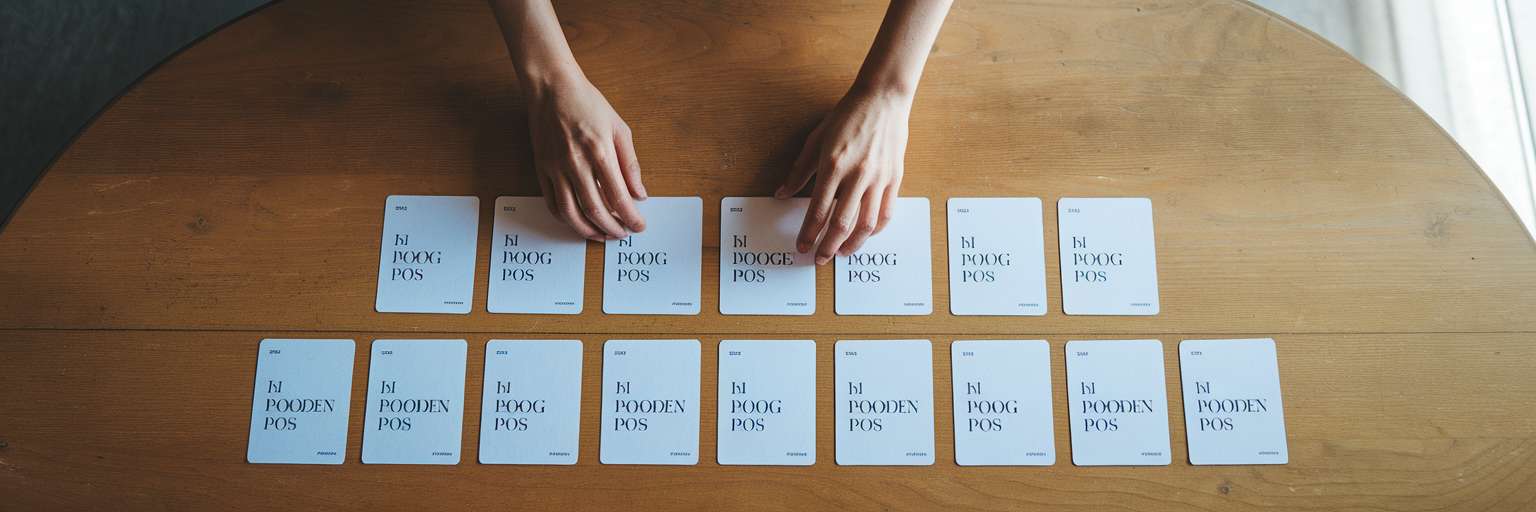
Align Your Blog with Your Business Goals
As a solo founder, your time is your most guarded asset. Every task must serve a purpose, and your blog is no exception. Before you write a single word, you need to answer a fundamental question: what do you want this blog to achieve for your business? Without a clear goal, your content calendar becomes a list of chores instead of a strategic tool for growth.
Your blog’s purpose directly shapes what to blog about for your business. Are you trying to generate leads? Then your content should focus on practical "how-to" guides and tutorials that solve a specific problem your ideal customer faces. If your goal is building brand awareness, you might share founder stories, comment on industry trends, or explain your company's mission. For establishing authority, you could publish deep analyses or case studies that showcase your expertise.
Think of it this way: a lead generation post is a helpful guide that asks for an email in return for more value. A brand awareness post is a conversation starter that makes people remember your name. Each has a different job to do.
It is important to set realistic expectations from the start. A content calendar is about building sustainable momentum over months, not chasing overnight viral hits. Consistency is what builds trust and visibility with search engines and readers alike. This long-term perspective helps prevent burnout and reinforces the value of a steady, thoughtful approach.
Discover What Your Audience Wants to Read
The best content ideas are not found in a vacuum. They are hidden in plain sight, within the questions and conversations your audience is already having. Your job is to become a better listener. This is the foundation of a simple content strategy for small business owners, and it requires no expensive tools.
Start with your own inbox. Go back through past customer emails, support tickets, and sales notes. What questions come up again and again? That recurring query about your product’s setup process is not an annoyance. It is your next blog post, waiting to be written.
Next, practice some social listening. You can find a goldmine of content ideas by observing where your target audience gathers online. Look for pain points and unanswered questions in places like:
- Niche subreddits related to your industry.
- Quora questions where your expertise could provide a genuine answer.
- Facebook or LinkedIn groups where potential customers discuss their challenges.
You can also look at what your competitors are writing about. This is not about copying their work. It is about understanding the existing conversation. Which of their posts get the most shares or comments? This tells you what topics are already proven to resonate with your shared audience. As industry experts like Neil Patel highlight, effective market research often relies on simple observation rather than complex software. By seeing what works, like in the examples on our blog, you can identify patterns in well-structured content that you can adapt for your own unique perspective.
Brainstorm Your Core Content Ideas

Once you have gathered your audience's pain points, it is time to turn that research into concrete article ideas. This step bridges the gap between listening and creating. A simple way to start is by using proven title formulas that promise a solution, such as "How to [Achieve a Desired Outcome]" or "A Beginner's Guide to [Solving a Common Problem]." These titles are direct and immediately signal value to the reader.
To bring structure to your brainstorming, organize your ideas around content pillars. These are three to five broad themes that are central to your business and expertise. For example, a founder of a fintech app might choose pillars like "Personal Budgeting," "Investing for Beginners," and "Understanding Credit." Every article you write should fit under one of these pillars. This approach not only keeps your content focused but also signals to readers and search engines that you are an authority on these specific topics.
Do not forget your most unique asset: your personal story. As a founder, your journey, your challenges, and your perspective are things no competitor can replicate. Brainstorm posts about why you started your business, a major lesson you learned, or your vision for the industry. This authenticity builds a powerful connection with your audience. If you find yourself struggling to consistently generate ideas, remember that modern tools can help you discover fresh topic ideas based on your core pillars, ensuring your calendar never runs dry.
Choose Your Tools and Build the Calendar
Now it is time to organize your ideas. The best tool for your content calendar is the one you will actually use consistently. You do not need complex project management software to get started. The goal is to create a simple, functional plan. Here is a quick comparison of popular free tools:
| Tool | Best For | Key Advantage | Potential Downside |
|---|---|---|---|
| Google Sheets | Beginners who prefer spreadsheets | Free, highly customizable, and familiar | Can become cluttered without careful organization |
| Trello | Visual planners who like card-based systems | Intuitive drag-and-drop interface for tracking status | Lacks advanced features for large-scale planning |
| Notion | Users who want an all-in-one workspace | Combines calendar, database, and notes in one place | Can have a steeper learning curve for new users |
This table compares free and popular tools suitable for a solo founder. The best choice depends on your personal workflow preference.
Whichever tool you choose, your content calendar template for solo founders should include these essential fields: 'Working Title,' 'Content Pillar,' 'Audience Pain Point,' 'Status,' and 'Publish Date.' This structure ensures you know how to plan blog content that is strategic, not random. The 'Audience Pain Point' column is especially important, as it constantly reminds you to write for your reader, not for yourself. As the Content Marketing Institute often emphasizes, a documented strategy is a key differentiator for success. While these manual tools are excellent, some platforms like our all-in-one solution integrate planning, writing, and scheduling to simplify the workflow even further.
Create a Sustainable Publishing Schedule

One of the biggest risks for any solo founder is burnout. The pressure to do everything at once can be overwhelming, and the blog is often the first thing to be neglected. The solution is to prioritize consistency over frequency. Publishing one high-quality, genuinely helpful post every week is far more effective than publishing three mediocre ones and then disappearing for a month. As data from marketing leaders like HubSpot shows, businesses that prioritize blogging are more likely to see positive results.
To make this sustainable, adopt the technique of "batching" your content creation. Instead of trying to write a post from start to finish in one sitting, break the process down into focused sessions. This minimizes context-switching and makes the work feel more manageable.
- Outlining: Dedicate one session to outlining all of the articles for the upcoming month.
- Writing: Schedule separate, focused blocks of time for drafting each post.
- Editing & Scheduling: Use a final session to polish the articles, add visuals, and schedule everything for publication.
Finally, think of each blog post as an investment with compounding returns. A single article can be repurposed into dozens of smaller content pieces. That in-depth guide can become a series of social media tips, a segment in your email newsletter, or even the script for a short video. Add a 'Repurposing Ideas' column to your calendar to capture these opportunities from the start.
Keep Your Content Plan Alive and Growing
Your content calendar is not a static document set in stone. It is a living plan that should evolve with your business and your audience. The final step in learning how to create a content calendar is understanding how to maintain and adapt it over time. You do not need to be an analytics expert to do this effectively.
Start by tracking two simple metrics using a straightforward tool like Google Analytics. First, look at page views to see which topics are most popular. Second, check the time on page to understand what content is most engaging. If readers are spending several minutes on a particular post, that is a strong signal you have hit on a valuable topic worth exploring further.
Even more importantly, listen to the feedback you get directly from your readers. Comments on your blog and replies to your emails are a direct line to your audience's needs. Use this feedback as a primary source for future content ideas. This creates a powerful feedback loop where your audience tells you exactly what they want to read next.
Treat your blog content plan for beginners as a flexible guide. If a timely topic emerges in your industry, do not be afraid to swap a post to stay relevant. The goal is to maintain momentum and continue providing value. By keeping your content fresh and responsive, you ensure your blog remains a dynamic asset for your business, just like the tailored and human-like articles seen in our writing examples.